
Real Raccoon Problems Dallas Homeowners Face Every Day
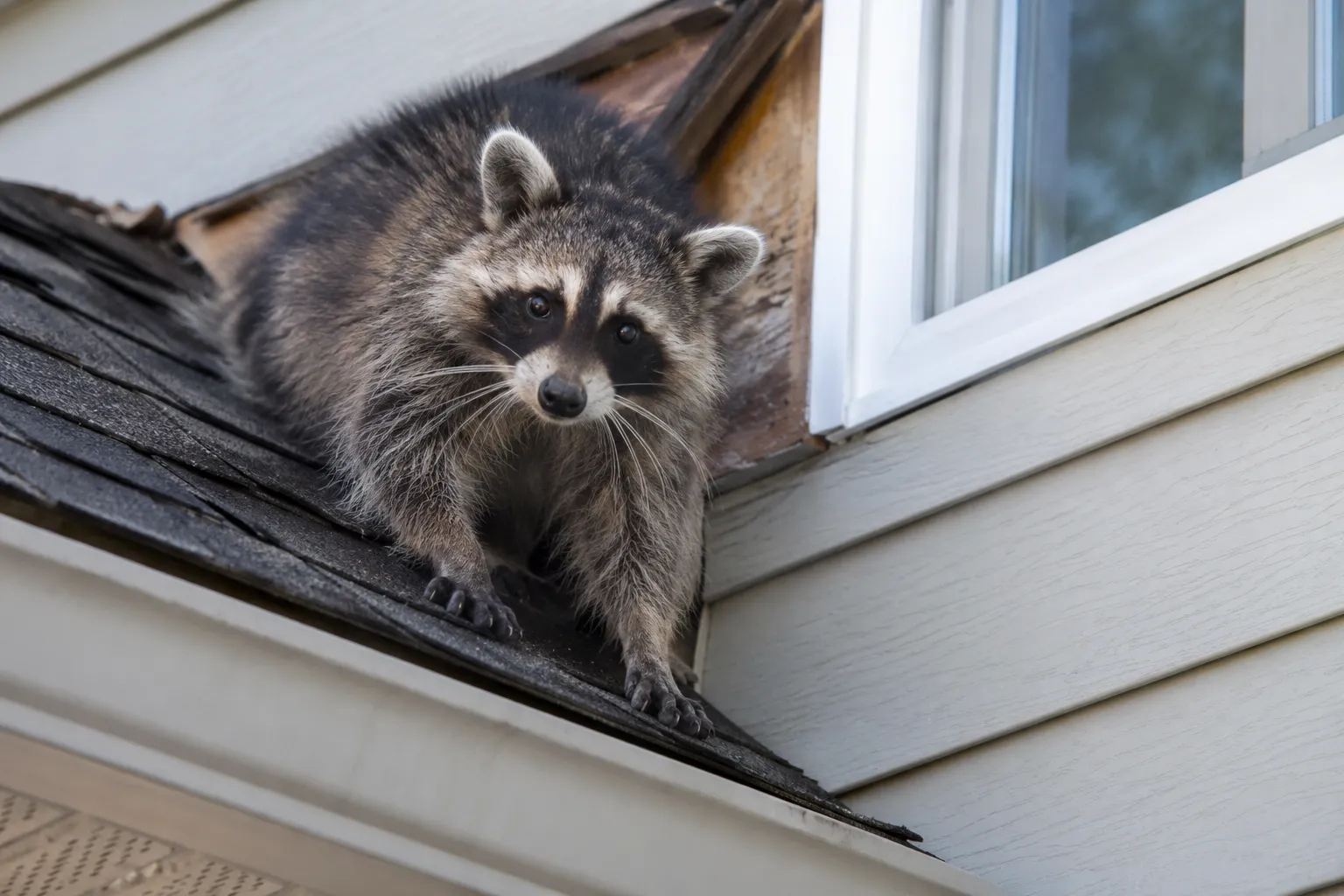
Raccoon problems are not like finding a bug. By the time most people call Jennie Wildlife Removal, the situation has already been going on for days, sometimes weeks. Here is what we hear on almost every call.
🌙
The thumping wakes you up every night
Heavy footsteps, scratching, silence, then it starts again. You know exactly where it is. You cannot do anything about it at 2am.
👨👩👧
You are worried about what is in the air
Raccoon droppings carry roundworm eggs that stay infective in insulation for years. If your HVAC pulls from that space, the worry is legitimate.
🔧
You do not know how bad the damage already is
Every night they are up there, they are tearing insulation and possibly chewing wiring. A minor noise from your bedroom can be a serious attic repair.
🪤
The trap did not work, or the raccoon came back
You caught it, drove it away, felt relieved. A week later the noise was back. The entry point was never sealed, or there were babies still inside.
💸
You are not sure what this will actually cost
Most companies will not give you a number until they are already on your roof. At Jennie Wildlife Removal, you get a written estimate before any work starts. The price you approve is the price you pay.
👶
You are afraid of sealing the wrong way
Chattering or soft crying from the attic usually means a litter. Seal the entry before the babies are out and you have dead animals in the walls, a terrible smell, and a mother tearing the repair apart.
Where Raccoons Get Into Dallas Homes?
They get in wherever the house gives them a foothold. Every one of these is a job we handle across the Dallas metro.
🏠
Attic
The most common den. Reached through roofline gaps, gable vents, or a pulled soffit. Once inside, they tear insulation and nest for weeks.
🔥
Chimney
A raccoon reads a chimney as a hollow tree. Females drop litters on the smoke shelf in spring. A chimney cap is the fix.
🚗
Garage
Especially where the garage shares a wall or attic with the house. Raccoons slip above the door track and reach the soffit from inside, a common path in older Dallas homes.
🏗️
Crawl space
Common under pier-and-beam homes in East Dallas, Oak Cliff, and older neighborhoods near White Rock Creek. Warm, dark, and easy to enter.
🪵
Under decks & porches
A den under a deck is quiet but still messy. They leave droppings, and a mother with young will get aggressive if cornered.
🌿
Yard & trash
A raccoon raiding trash or digging up the lawn is often the same one denning nearby. Remove the food source, or they stay.
What Attracts Raccoons to Dallas Homes
Raccoons are not random. They go where food, water, and shelter are available. Dallas gives them all three in abundance.
Food attracts them first
Unsecured trash, pet food left outside, and bird feeders are the biggest draws. Once a raccoon finds a reliable food source near your home, it looks for a place to sleep nearby.
Far North Dallas and the northern corridors
The Northaven Park and Midway Hollow corridor has large lots, established trees, and rooflines raccoons reach easily. Homes along Bachman Creek generate steady year-round calls.
Shelter seals the deal
Dallas heat pushes them toward cool attics in summer, cold pushes them toward warmth in winter. A soffit gap or a chimney without a cap is all they need. Properties near White Rock Lake, the Trinity River corridor, and White Rock Creek sit directly on wildlife travel routes.
Vickery Place, Greenland Hills and Lower Greenville
The M-Streets bungalows and older two-stories built in the 1920s and 1930s have original rooflines that give raccoons straightforward attic access.
Our 6-Step Dallas Raccoon Removal Process
Good wildlife work follows a strict order. Skip any step and the animal comes back, or worse, you seal one inside.
Full property inspection
We check the whole home, roof to foundation: attic, chimney, soffits, gable vents, crawl space, and garage. We confirm the animal, count how many, and check for babies before we do anything else. This step takes as long as it needs to, older homes in Lakewood and East Dallas often have multiple entry points.
Identify entry points and den location
Raccoons usually have one main way in and a nest tucked deep in the attic, wall void, or chimney. We map both. We also look and listen carefully for young, because babies change the entire plan for removal.
Humane and safe removal
The method fits the situation. Where adults can be trapped and excluded, we use one-way doors so they leave on their own but cannot return. Where babies are present, they are often too small to leave alone and must be located and removed by hand, carefully, so the mother is not left searching and becomes a re-entry risk.
Seal all entry ways, exclusion
Once every animal is out, we close every opening with chew-resistant, weather-tough materials. Roofline, soffits, vents, chimney cap, crawl space, each one sealed. This is the step that determines whether the fix is permanent. Raccoon Removal without exclusion is a temporary fix, and we do not do temporary fixes.
Cleanup, sanitation, and damage assessment
We remove waste and soiled nesting material, treat and sanitize the den area, and document all damage with photos. We replace insulation that is beyond saving and note wiring or structural damage for your records, useful when you check with your insurer.
Prevention and follow-up
We point out what drew the raccoon in and what could let the next one in: overhanging branches, open trash, pet food outside, and any remaining gaps. On full exclusion jobs, our work is covered by a written warranty.
Raccoon Damage and Health Risks, Why Acting Fast Matters
Raccoons cause two kinds of harm: structural damage to the house and health risks to the people in it. Both get worse the longer you wait.
Property damage
Attic and insulation: Raccoons tear insulation to nest in it, compressing and soiling what they do not shred. Replacing contaminated attic insulation runs $1,500 to $4,000 for a standard attic according to HomeGuide’s 2026 data.
Wiring and fire risk: Chewed electrical wiring is a fire hazard. This is not rare, it is one of the most common findings in a post-raccoon attic inspection.
Structural entry points: Pried soffits, bent vents, and torn roof sections let water in as well as animals, accelerating rot and wood damage. Soffit and fascia replacement runs $9 to $34 per linear foot.
Ductwork and HVAC: Raccoons that reach ductwork contaminate the air supply and can physically damage the runs.
Health risks
Raccoon roundworm (Baylisascaris procyonis): The CDC reports that raccoon droppings carry the eggs of this roundworm. Human infections are rare but can be severe, the larvae can affect the eyes, organs, or brain. The eggs take two to four weeks to become infective but then survive in soil and insulation for years. Standard household cleaners do not kill them. Cleanup needs proper protective gear.
Rabies: Raccoons are a primary rabies-vector species. This is the legal basis for Texas’s strict handling rules. A healthy raccoon avoids people, but a sick or cornered one, or a mother with young, can bite or scratch.
Leptospirosis: Raccoon urine in the attic or crawl space can carry leptospirosis bacteria, a risk to people and pets.
Found droppings in your attic? Do not disturb them without protective gear. We handle cleanup safely.
Raccoon Exclusion That Keeps Them Out for Good
Removal solves today. Exclusion solves permanently. It is the step most cheap operators skip, and the one that decides whether you call us again next year.
Damage repair after exclusion
We repair what raccoons broke to get in: torn soffits, bent vents, lifted shingles, and compromised structural joints. We document everything with photos, useful if you file an insurance claim for structural damage.
Prevention walk-through
After sealing, we walk the property with you and point out what drew the raccoon in: overhanging branches, open bins, pet food left outside, and any gaps we spotted that are not yet active entry points. Small prevention steps now stop the next call.
How Much Does Raccoon Removal Cost in Dallas?
Most sites hide price. We do not. Here are current market ranges for the Dallas area based on publicly reported 2026 pricing data, and the factors that move the number up or down.
| Service | Typical Dallas-area range |
|---|---|
| Initial inspection | $75 – $150 (often credited toward work) |
| Single raccoon, yard or simple spot | $200 – $400 |
| Attic removal with entry point sealing | $350 – $600+ |
| Mother raccoon with litter (hand removal of kits) | $600 – $800+ |
| Attic cleanup and sanitation | $250 – $500 |
| Insulation replacement | $1,500 – $4,000 depending on attic size |
| Full home exclusion | $1,500 – $4,000+ depending on scope |
These are typical Dallas area market ranges, not a quote for your home. Dallas charges 8.25% sales tax on these services. You get a firm written price after the inspection, not a rough guess over the phone.
What Affects Raccoon Removal Dallas Costs?
Want an exact price for your property? We inspect first and give you a written estimate, no phone guesses.
What Sets Jennie Wildlife Removal Apart in Dallas
Anyone can say experienced and professional. Here is what actually makes the difference.
The Jennie Wildlife Removal Written Guarantee
The price you approve in writing before work starts is the price you pay, no surprise line items. On full exclusion jobs, if a sealed entry point fails and the same animal gets back in through our repair, we come back and fix it at no charge.
📞 Call NowWhat Dallas Homeowners Say After Their Raccoon Problem Is Solved
Raccoon jobs are stressful while they are happening. Here is what customers told us after the work was done and the attic went quiet.
“I heard thumping for two weeks before I called. They found the main entry at the roofline and a second gap above the garage I never would have spotted. Both sealed, attic cleaned out. Three months later, still nothing.”
“It was April and I could hear babies crying in the attic. I was scared to seal anything. The team removed all three kits by hand, left a camera overnight to confirm the mother had taken them, then closed the entry. Finally slept properly again.”
“Raccoon had been using the chimney for weeks. The inspection found everything, the cleanup was thorough, and the chimney cap they installed is solid. No smell, no noise, no second visit needed.”
FAQ
Common Raccoon Removal Questions
How do I know if I have a raccoon in my attic?
Listen at night. Heavy thumps, scratching, and slow movement after dark, usually starting around 10pm, almost always means a raccoon rather than a squirrel. Squirrels are lighter and move during the day. Chirps or crying sounds point to babies. Pulled soffits, torn vents, a sharp smell near the roofline, or paw prints in soft soil around the house back it up. A professional inspection is the only way to confirm the animal, count how many, and find every entry point.
How much does it cost to get a raccoon removed in Dallas?
In the Dallas area, a simple single-raccoon removal runs roughly $200 to $400. Attic removal with entry-point sealing is commonly $350 to $600 and up. A mother with a litter, where babies need hand removal, frequently runs $600 to $800 or more because of the time and care involved. Cleanup and insulation replacement are quoted on top based on the damage. Dallas adds 8.25% sales tax. You get a written price after the inspection, not a guess over the phone.
Is it legal to catch and release a raccoon myself in Texas?
No. Under the Texas Rabies Control and Eradication Administrative Code, it is illegal for a private person to transport a live raccoon. A violation is a Class C misdemeanor. Only licensed pest management professionals and certain permitted individuals can move one, and even then only within ten miles of the capture site and within the same county. The rule exists because raccoons are a rabies-vector species. Source: Texas Department of State Health Services.
Does homeowners insurance cover raccoon removal or damage?
Insurance rarely covers the removal itself. It may cover sudden structural damage, a torn roof section, ripped soffit, or raccoon-caused water intrusion, depending on your policy’s language. Texas courts have ruled raccoons are not “vermin” under standard HO-3 exclusions, so if your insurer denies a structural claim using that clause, it is worth disputing. Contaminated insulation cleanup is almost never covered. Document the damage with photos before any work begins, and notify your insurer promptly.
Who do you call for raccoon removal in Dallas?
Call a licensed wildlife removal company, not a general pest control firm. You want a company that inspects first, gives you a written price, seals the entry points, and cleans up, and that follows Texas law on handling the animal. A pest company does not typically do exclusion or attic cleanup, which means the problem comes back.
How long does raccoon removal take?
A straightforward single-animal job with exclusion can often be completed in one or two visits. A job involving a mother with babies, multiple entry points, attic cleanup, and insulation replacement can take several days across multiple visits, including the camera-verification step to confirm all animals are out before the final seal. We give you a realistic timeline at the inspection.
Get Raccoon Removal in Dallas Today
Hearing a raccoon in the attic or chimney? Don’t wait, spring litters and chewed wiring only make it worse. We trap the raccoon, remove any kits by hand, seal the entry point, and clean up, with a written price before any work begins.
Serving Lakewood, Lake Highlands, Preston Hollow, East Dallas, Uptown, Klyde Warren Park, the M-Streets, Casa Linda, Lower Greenville, Oak Lawn, and surrounding Dallas areas.